
HOW-TO
Slip and Fall Evidence Timeline: What to Collect and When
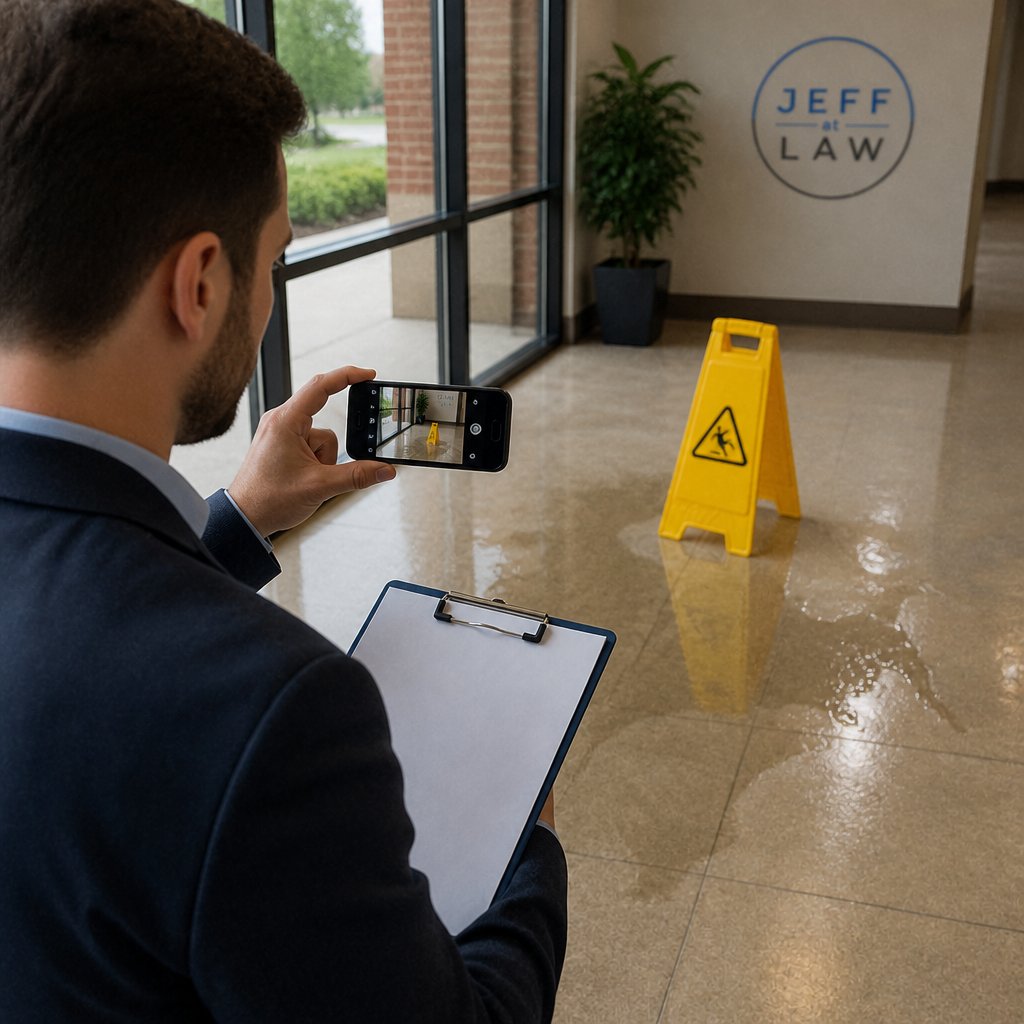
Table of Contents
- Why the First 72 Hours Decide Most Slip and Fall Cases
- Your Slip and Fall Evidence Checklist: What to Collect and When
- Slip and Fall Surveillance Footage: How to Preserve It Before It Disappears
- Slip and Fall Witness Statements: Who to Talk to and What to Ask
- Slip and Fall Medical Records: Building the Injury Side of the Timeline
- Common Mistakes That Break a Slip and Fall Evidence Timeline
- When to Bring a Lawyer Into the Evidence Timeline
- Conclusion: Build the Timeline Before the Evidence Builds Against You
- Frequently Asked Questions
Last Updated: October 21, 2026
Why the First 72 Hours Decide Most Slip and Fall Cases
The first 72 hours after a slip and fall often decide whether a claim holds up. Store cameras overwrite footage. Spills get mopped. Witnesses forget details. A strong slip and fall evidence timeline starts the day of the fall, not the week you call a lawyer. (Source: National Highway Traffic Safety Administration (NHTSA) data)
At Jeff at Law, we handle premises liability claims across Illinois and Indiana. Our take is blunt: evidence fades fast, and the person who collects first usually wins. Below, we'll show you exactly what to collect and when.
The core problem is simple. Property owners and their insurers start building a defense within hours. Incident reports get written carefully. Camera files get flagged. If you wait, you're arguing against a record someone else shaped.
Your Slip and Fall Evidence Checklist: What to Collect and When
Here is the short answer: photograph the scene, report the fall, get witness names, and save your shoes and clothing, all within the first day. Then pull medical records and any incident report within the first week.
A practical slip and fall evidence checklist looks like this:
- Photos of the hazard, taken before anything is moved
- Photos of your injuries and your footwear
- The store or property incident report number
- Names and phone numbers of witnesses
- A written note of time, date, weather, and lighting
- Medical records from your first visit
- A request to preserve surveillance footage
Timing matters more than volume. Scene photos taken on day one beat perfect photos taken on day thirty.
| Timeframe | What to Collect | Why It Matters |
|---|---|---|
| Same day | Scene photos, hazard details, witness names | Evidence disappears fastest |
| Within 72 hours | Incident report, medical visit, written statement | Creates a clean record |
| Within 1 week | Surveillance preservation letter, full medical records | Prevents footage loss |
| Ongoing | Bills, wage records, treatment notes | Builds the injury side |
Slip and Fall Surveillance Footage: How to Preserve It Before It Disappears
Surveillance footage is the most valuable and most perishable evidence in a fall case. Many systems record over old files on a loop, so footage can vanish in days or weeks. Send a written preservation request to the property owner immediately.
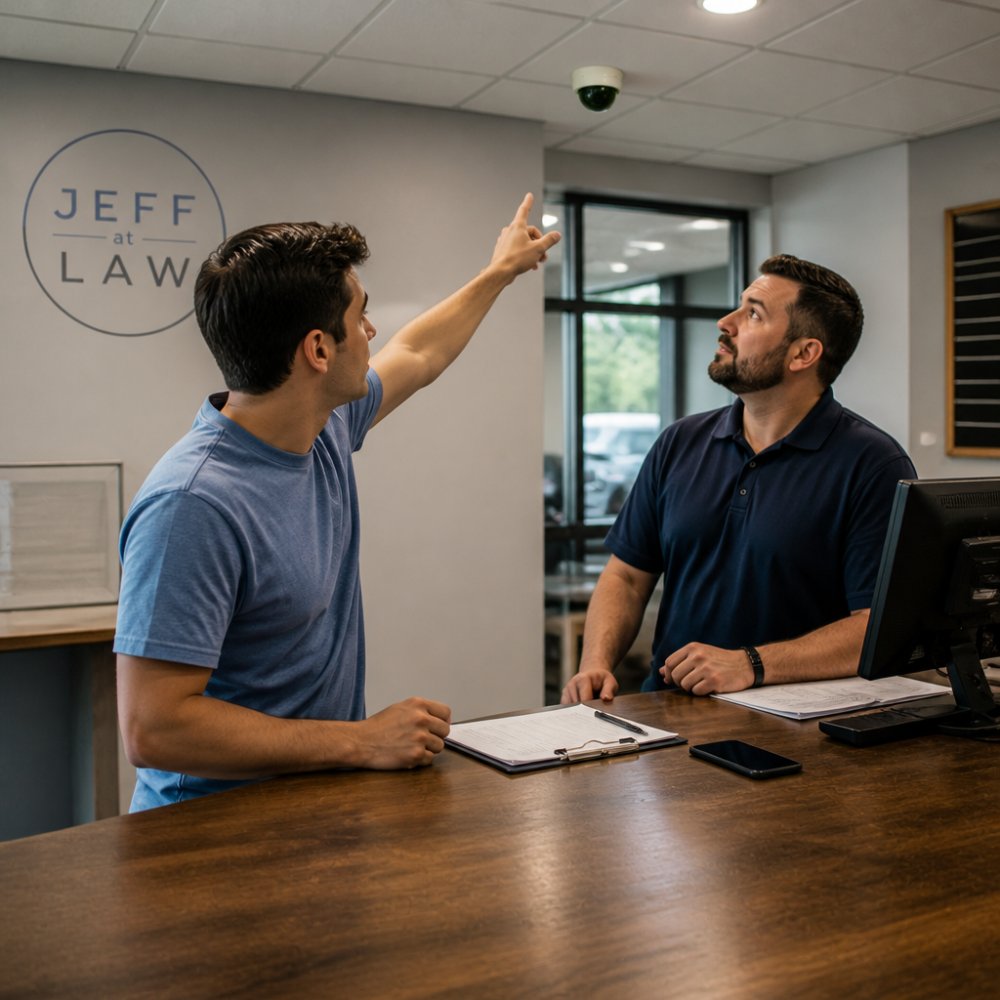
Don't just ask verbally. Put it in writing and keep a copy. A dated letter creates proof that you asked before the footage was erased. If the owner deletes it after that request, that fact can matter later.
What most people miss: the camera angle you need may belong to a neighboring business. Ask around the plaza too.
Slip and Fall Witness Statements: Who to Talk to and What to Ask
Witness statements carry weight when they're gathered early and written down. Talk to anyone who saw the fall or the condition of the floor beforehand. Get names, phone numbers, and a short written account. (Source: Indiana Code Title 34, Article 20, Chapter 1)
Ask three things:
- What did you see right before the fall?
- How long had the hazard been there?
- Did anyone warn staff about it?
A witness who says "that puddle was there when I walked in ten minutes earlier" is worth more than a dozen who only saw you on the ground. Store the statements somewhere safe and note the date you collected each one.
Slip and Fall Medical Records: Building the Injury Side of the Timeline
Medical records turn a fall into a documented injury. See a doctor within the first few days, even if you feel fine. Some injuries, like soft tissue damage, show up late.
Your slip and fall medical records should include your first visit, every follow-up, imaging, and treatment notes. Keep them in order by date.
Why the sequence matters: insurers look for gaps. A two-week gap between the fall and your first appointment invites the argument that something else caused the injury. A clean, continuous record closes that door. According to the CDC's guidance on older adult falls, falls remain a leading cause of injury, which is why documentation of the incident itself matters so much.
Common Mistakes That Break a Slip and Fall Evidence Timeline
The biggest mistake is waiting to see if the injury "gets serious." By then, the footage is gone and the floor is clean. Other timeline breakers:
- Posting about the fall on social media
- Giving a recorded statement to an insurer before talking to a lawyer
- Throwing away the shoes you were wearing
- Skipping the incident report because staff seemed helpful
- Assuming photos you took will be enough without witness names
When to Bring a Lawyer Into the Evidence Timeline
Bring a lawyer in early, ideally within days. The sooner an attorney sends preservation letters and requests records, the less evidence slips away. You do not need to have everything documented first.
At Jeff at Law, one attorney handles your case from start to finish, with no paralegal hand-offs. We work on a contingency fee, so there is no fee unless the case recovers. We're licensed in both Illinois and Indiana, which helps if your fall happened near the state line, and we take evening and weekend calls for people who can't step away during the workday.
If you're searching for a slip and fall attorney, a quick consultation can tell you what's still recoverable.
Conclusion: Build the Timeline Before the Evidence Builds Against You
Evidence fades, and the other side starts collecting first. The fix is to move fast and document everything in order. If you've already lost time, don't assume it's too late, but don't wait another week either.
Jeff at Law offers direct access to the attorney handling your file, statewide coverage across Illinois and Indiana, and no fee unless the case recovers. Get started with Jeff at Law and put your evidence timeline to work before it disappears.
Frequently Asked Questions
What evidence should I collect after a slip and fall?
Start with photos of the hazard, the surrounding floor, your footwear, and any visible injury. Get names and contact details for witnesses, note the time, date, and exact location, and ask the property manager for an incident report number. Keep your clothing and shoes unwashed. Then request your medical records from the first treatment visit. A slip and fall evidence checklist helps you confirm nothing is missing, and a lawyer can send preservation letters for surveillance footage before it is overwritten.
How long does it take to gather evidence for a slip and fall claim?
Scene evidence and surveillance footage are usually collected within days to a few weeks, because video systems often overwrite recordings on a 30 to 90 day cycle. Witness statements should be taken within the first month while memories are fresh. Medical records accumulate over the course of treatment, so the injury side of the evidence timeline can run for months. The full timeline depends on how long you treat and whether the property owner cooperates with records requests.
Can I still make a claim if I did not take photos at the scene?
Often yes, but the case becomes harder. A lawyer can request surveillance footage, incident reports, maintenance logs, and cleaning schedules from the property owner. Witness statements and your own prompt medical records help corroborate what happened. The longer you wait, the greater the risk that video is overwritten and memories fade. Contact an attorney as soon as possible so preservation letters and records requests go out before evidence disappears.
When should I contact a lawyer about slip and fall evidence?
Contact a lawyer as soon as you are able after the fall, ideally within the first few days. Surveillance footage can be overwritten quickly, and property owners are not required to hold it indefinitely. An attorney can send a spoliation letter demanding preservation, request incident reports and maintenance records, and line up witness statements before they become unreliable. Early involvement also helps you avoid recorded statements to insurers that can undercut your claim.